Risk Management in Margin Trading and Futures Contracts: A Practical Guide for Crypto Traders

Margin trading and futures contracts — especially perpetual futures — are among the most powerful yet dangerous tools in the cryptocurrency market. In 2026, with high liquidity and leverage options reaching 100x or more on major platforms, these instruments allow traders to amplify gains significantly.
However, they also magnify losses and can lead to rapid liquidation of positions.
Effective risk management is not optional; it is the difference between surviving market cycles and losing your entire trading capital in minutes.


This practical guide outlines essential strategies to trade margin and futures safely while preserving capital in a highly volatile environment.
Understanding the Core Risks
Margin trading lets you borrow funds from the exchange to open larger positions than your own capital allows. Futures contracts, particularly perpetual ones that never expire, enable you to go long or short with leverage. The primary risks include:
- Liquidation Risk: If the market moves against your position and your margin falls below the maintenance level, the exchange automatically closes your trade, often at a loss.
- Leverage Amplification: High leverage (e.g., 20x–100x) means even a small price move (1–5%) can wipe out your collateral entirely.
- Funding Rates and Costs: Perpetual futures involve periodic funding payments that can erode profits or add to losses over time.
- Instability and Slippage: Crypto markets can swing wildly, causing orders to execute at worse prices than expected.
- Overleveraging and Emotional Decisions: Greed often leads traders to increase positions during winning streaks, only to suffer catastrophic losses during corrections.
Historical events, including major liquidation cascades, have shown that billions can be wiped out in hours when leveraged positions are crowded on one side of the market.
The Golden Rule: The 1-2% Risk Rule
The foundation of safe trading is never risking more than 1–2% of your total trading capital on any single trade. For example, with a $10,000 account, limit your maximum loss per trade to $100–$200.
This rule ensures that even a series of losing trades (common in volatile markets) will not destroy your account. Calculate position size based on your stop-loss distance, not on how much leverage you want to use. Higher leverage should actually lead to smaller position sizes to keep risk within limits.
Choose Leverage Wisely
Leverage is a double-edged sword. Beginners and intermediate traders should start with low to moderate leverage — typically 2x to 5x — and only increase it gradually as experience grows. Even experienced traders rarely exceed 10x–20x in normal conditions.
At 10x leverage, a 10% adverse move can liquidate your position. At 50x or higher, normal daily volatility becomes extremely dangerous. Always check the liquidation price before opening a trade and maintain a comfortable buffer. Many platforms allow you to simulate trades or view liquidation levels in real time.
Use Isolated Margin Instead of Cross Margin
- Isolated Margin: Allocates a specific amount of funds to each position. Losses are limited to that isolated amount, protecting the rest of your account.
- Cross Margin: Uses all available balance as collateral across positions. While it can help avoid liquidation in one trade by using profits from another, it also risks losing everything if multiple positions move against you.
For most traders, especially those handling multiple positions, isolated margin offers better risk control.
Essential Tools: Stop-Loss and Take-Profit Orders
Never enter a leveraged or futures trade without a predefined exit plan:
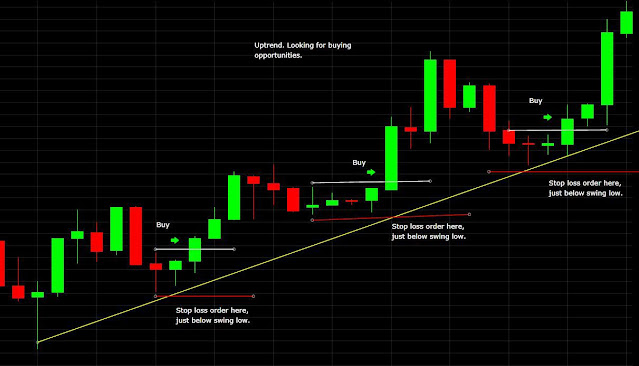
- Stop-Loss (SL): Automatically closes your position if the price reaches a certain unfavorable level. Place it based on technical levels (support/resistance) or a fixed percentage from entry.
- Take-Profit (TP): Locks in gains at a target price. A common approach is a 1:2 or 1:3 risk-reward ratio (risk $1 to make $2–$3).
Set these orders immediately after opening the position. Trailing stops can help protect profits as the trade moves in your favor.
Position Sizing and Diversification
Calculate your position size using the formula:
Position Size = (Account Risk Amount) / (Distance to Stop-Loss in %)
Diversify across different assets, timeframes, and strategies rather than concentrating all capital in one leveraged BTC or ETH perpetual contract. Combine futures with spot holdings for balance, and avoid overexposure to correlated assets during high-volatility periods.
Additional Advanced Practices
- Hedging: Use opposite positions (e.g., a short futures contract) to offset risk in your spot or long holdings during uncertain times.
- Monitor Margin Levels Closely: Watch your margin ratio, equity, and unrealized PnL. Add margin proactively if needed, or reduce position size.
- Avoid Trading During Extreme Events: Reduce leverage or avoid new positions around major news, economic releases, or known high-volatility periods.
- Maintain a Trading Journal: Record every trade, including rationale, risk parameters, and outcome. Review it regularly to improve.
- Use Demo or Small Test Positions: Practice strategies with minimal capital before scaling up.
Psychological Discipline Matters Most
Leveraged trading triggers strong emotions. Fear of missing out (FOMO) pushes traders to overleverage during rallies, while panic leads to premature exits or revenge trading after losses. Stick strictly to your written trading plan. If you cannot control emotions, reduce position sizes or pause trading.